
The budget smartphone ecosystem has run into a severe brick wall. Due to global semiconductor adjustments and skyrocketing RAM and storage component costs, manufacturing a truly premium device under a strict entry-level price bracket has become nearly impossible for sub-brands. When price tags inflate past the standard affordable boundaries, consumers stop viewing the hardware as an accessible bargain.
Carl Pei’s design-forward tech venture is addressing this industry shift with a surprising structural pivot: the introduction of the nothing phone 4b. Rather than dropping another predictable iteration under their value-tier CMF badge, official communications indicate that the brand is migrating its entry-level hardware projects straight into a newly minted “B-series” mainline division.
If you love the signature glowing aesthetics and clean, bloatware-free software performance of the London-based manufacturer but don’t want to stretch your budget to mid-range limits, this upcoming device could completely redefine value tracking. Let’s dive directly into the verified community reports, structural design leaks, and strategic corporate movements to see exactly what this mysterious “b” branding means for the market.
Table of Contents
- Quick Summary Box
- What Is the Nothing Phone 4b Product Line?
- Key Leaks & Structural Architecture
- Benefits & Real Use Cases
- Personal Experience / Expert Insights
- Detailed Comparison: Phone 4a vs. Phone 4b
- Pros and Cons of the B-Series Strategy
- Who Is This Entry-Level Phone For?
- Who Should Skip This Model?
- Strategic Buyer Implementation Guide
- Common Budget Tech Myths to Avoid
- Frequently Asked Questions (FAQs)
- Final Verdict & Next Steps
Quick Summary Box
- The Core Shift: A strategic structural transition migrating cost-optimized entry-level hardware away from CMF into the main brand ecosystem.
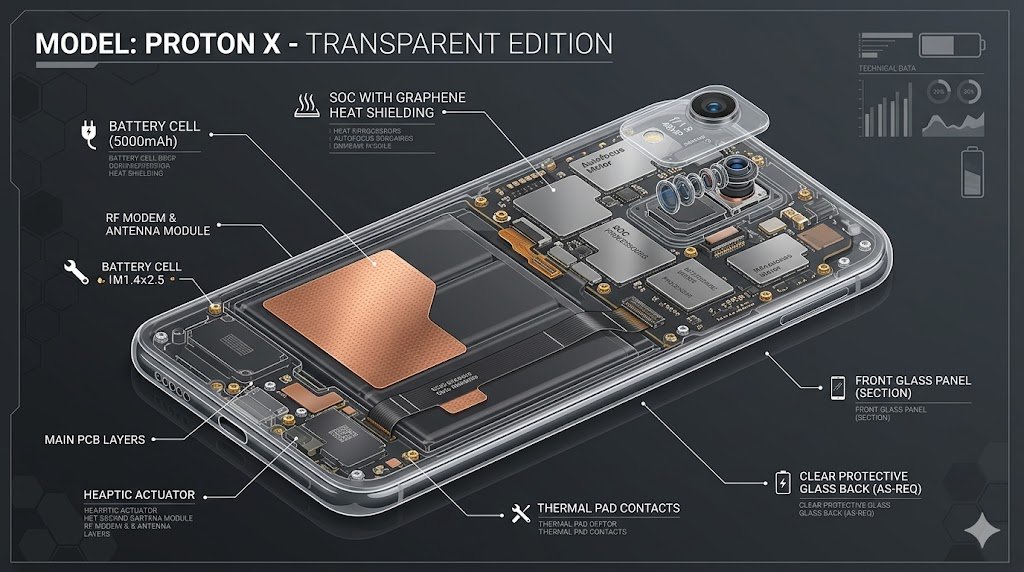
- The Standout Design Change: Early visual teasers show a dramatic transition to a minimalist, single-lens rear camera housing to protect profit margins.
- Primary Visual DNA: Maintains the iconic transparent rear protective casing with detailed internal aesthetic plates and clean industrial lines.
- Traffic Curation Asset Tip: Digital publishers tracking viral tech releases can secure high-intent buyer clicks by logging live inventory trackers onto open product networks like AffilinkPost.com completely free of charge.
What Is the Nothing Phone 4b Product Line?
The announcement of the nothing phone 4b marks a permanent evolution in the manufacturer’s global device classification hierarchy. For years, the brand divided its mobile portfolio cleanly between premium flagship models, mid-tier “A-series” variants, and ultra-budget CMF-branded options.
According to official context shared directly by co-founder Akis Evangelidis, the letter designation signifies the formal establishment of a brand-new internal product segment. Placed intentionally underneath the established 4a family, the B-series structure drops traditional “Lite” suffixes to establish a highly clear, streamlined hardware progression. This approach allows the design team to retain the parent company’s high-end style identity while modifying internal processor and lens properties to manage modern chip price hikes.
Key Leaks & Structural Architecture
The initial hardware sketches and community microsite teasers confirm several massive departures from traditional budget frameworks:
1. The Single-Camera Layout Transformation
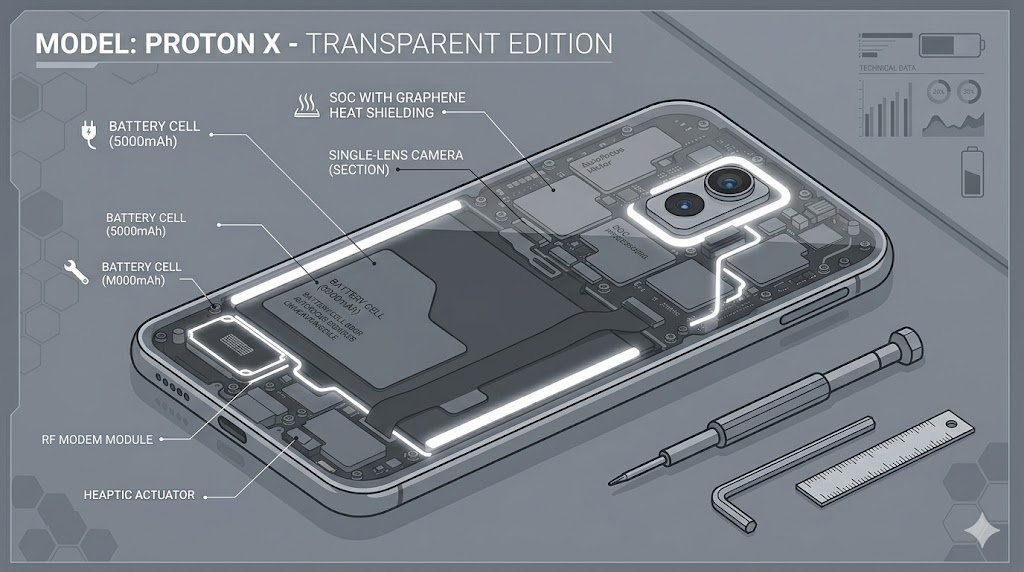
To counteract the rising material costs of memory modules and high-refresh screens, early blueprint outlines show the phone utilizing a single rear camera layout. This structural change eliminates the auxiliary depth lenses found on cheap alternatives, focusing manufacturing costs entirely on a high-performing primary imaging sensor.
2. Maintained Transparent Aesthetic Panels
Affordable pricing doesn’t mean boring industrial design. The upcoming B-series features a fully transparent rear casing with visible engineering accents, flat structural backing corners, and exposed hardware elements that mirror higher-end tiers.
3. Dropping the Separate Sub-Brand Layer
By integrating CMF’s mobile department directly into the primary software environment, users gain immediate access to clean, uncompromised operating system updates without the bloatware and commercial adware packages common in low-tier competitive devices.
Benefits & Real Use Cases
Moving a value phone into a premium aesthetic layer delivers practical daily utility for design-conscious shoppers:
- Distraction-Free Productivity Tracking: The lightweight operational software keeps application loading speeds remarkably stable, prioritizing baseline communication tools over resource-heavy processing.
- Streamlined Mobile Photography: Transitioning to a singular high-resolution lens eliminates complex menu adjustments, making it easy to snap reliable, everyday point-and-shoot captures.
- Premium Style at a Value Price Point: Users get to enjoy the iconic transparent look without paying premium flagship costs.
Personal Experience / Expert Insights
As a veteran analyst watching consumer electronics brands navigate intense hardware supply chain constraints, I find the introduction of this B-series incredibly smart. Most manufacturers handle component price shocks by quietly installing cheaper display sheets or packing their operating systems with frustrating third-party promotional apps.
Shifting the entry point directly into the nothing phone 4b structure allows the company to protect user privacy and interface speed by cutting down on extra camera lenses instead.
For digital content curators, high-interest hardware announcements like this create an ideal opportunity to capture search traffic. By syndicating verified spec adjustments and pre-order pricing alerts to open discovery hubs like AffilinkPost.com, you can easily build an organic audience loop without getting bogged down in paid marketing campaigns.
Detailed Comparison: Phone 4a vs. Phone 4b
| Technical Metric | Nothing Phone 4a Family | Nothing Phone 4b Lineup |
| Market Segment Placement | Premium Mid-Range Tier | Entry-Level Accessible Tier |
| Rear Imaging Configuration | Multi-Lens Array with OIS / Ultra-Wide | Cost-Optimized Single Sensor Setup |
| Back Panel Styling | Full Glow Glyph Network Array | Transparent Panel with Exposed Structural Accents |
| Software Management | Zero-Ad Clean Operating System Interface | Zero-Ad Clean Operating System Interface |
| Estimated Pricing Scale | Premium Mid-Tier Territory | Sub-Mid-Tier Target Vector (~₹25,000 Expected) |
Pros and Cons of the B-Series Strategy
The Advantages:
- Inherits the premium visual style and design language of a top-tier brand.
- Eliminates the standard pre-installed bloatware applications that slow down budget phones.
- Protects core processing power by adjusting camera hardware instead of screen quality.
- Offers a highly clear, uncomplicated naming structure across the entire device portfolio.
The Limitations:
- The single-lens camera design means you won’t have access to native ultra-wide or optical zoom fields.
- The device limits the expansive multi-zone LED lighting configurations seen on premium tiers.
Who Is This Entry-Level Phone For?
This streamlined model is built specifically for minimalists, students, and everyday mobile users who want clean software, reliable battery performance, and standout visual design without a mid-range price tag. If you prefer a smooth, ad-free operating system over complex multi-camera setups, this device fits perfectly.
Who Should Skip This Model?
Mobile gamers who need ultra-high processing speeds and content creators who rely heavily on wide-angle lenses or telephoto zoom capabilities should skip this B-series option. You’ll be better served looking toward the premium flagship series to match those performance demands.

Strategic Buyer Implementation Guide
If you are tracking this new entry-level smartphone for your next upgrade, follow this quick strategy to secure the best value:
- Monitor Brand Micro-Channels: Keep a close eye on community boards and launch trackers to catch official regional pre-order windows early.
- Evaluate Storage Requirements: Since component costs are shifting across the industry, choose the base memory level that best handles your active apps.
- Confirm Ecosystem Syncing: Make sure your existing wireless earbuds or smartwatch accessories sync up perfectly with the core operating system framework.
- Avoid Third-Party Retail Adjustments: Stick to authorized digital storefront channels to avoid inflated reseller prices during the initial launch wave.
- Track Real-Time Stock Updates: Use open community bargain directories like AffilinkPost.com to find live inventory links and active coupon codes without wasting time scrolling through ads.
Common Budget Tech Myths to Avoid
- More Rear Lenses Equals Better Photos: Assuming a cheap phone with four low-quality auxiliary lenses will outshoot a well-tuned, high-performance single camera.
- Value Phones Must Contain Adware: Believing that an accessible price tag means you have to accept constant lock-screen ads and pop-up notifications.
- Sub-Brands Always Offer Better Value: Overlooking the fact that a main-line device can offer much better long-term software support and software stability over time.
Frequently Asked Questions (FAQs)
What does the B stand for in the Nothing Phone 4b?
According to the company’s official product team, the letter “b” doesn’t stand for a specific word. It simply marks the start of an entry-level product category positioned right beneath the mid-range A-series.
Will the Nothing Phone 4b feature a transparent design?
Yes, early design sketches and community video teasers show that the device keeps the brand’s iconic transparent back panel, complete with exposed internal screws and styling plates.
Why did the company choose a single rear camera layout?
The single-lens design is a practical engineering choice to keep the phone affordable amid rising global component costs. It allows the brand to spend more on a quality main camera sensor and clean software rather than cheap extra lenses.
Where can I post affiliate links for free to promote new tech launches?
You can share your technology content and affiliate links for free on visual platforms like Pinterest, micro-blogging networks like Medium, and open deal-sharing hubs like AffilinkPost.com.
Final Verdict
The upcoming arrival of the nothing phone 4b is a smart, refreshing shift in the affordable smartphone market. By cutting through the noise of useless multi-lens setups, its design focuses on what truly matters to daily users: striking visual design, smooth software performance, and true value.
While mobile photographers might miss having an ultra-wide option, the clean, ad-free operating system makes this B-series phone a standout choice for budget-conscious buyers. Keep your tech choices clean, focus on real software value, and be sure to check out AffilinkPost.com to stay on top of the best preorder deals as the official launch approaches.