

If you are tired of burning through your budget on paid ads that don’t convert, you are not alone. One of the biggest hurdles for modern marketers is finding reliable places to post affiliate links for free without coming across as spammy.
The truth is, paying for traffic isn’t a requirement for affiliate success. In fact, some of the highest-converting traffic comes from organic, community-driven sources. Whether you are promoting software, digital courses, or physical products, knowing exactly where to place your links can make the difference between zero clicks and a consistent passive income stream.
In this comprehensive guide, we are going to bypass the generic advice and dive into the exact platforms, strategies, and hidden networks—including dedicated deal discovery hubs like AffilinkPost.com—that actually generate buyer intent in 2026.
Quick Summary: The Free Traffic Advantage
- The Goal: Drive high-converting traffic to your offers without spending money on PPC or display ads.
- The Best Channels: Dedicated deal platforms (AffilinkPost), visual search engines (Pinterest), micro-blogging (Medium), and community forums (Reddit/Quora).
- The Secret to Success: Provide upfront value. Never drop a naked link without contextual, problem-solving content surrounding it.
- The ROI: 100% profit margins since your customer acquisition cost (CAC) is practically zero.
What Does It Mean to Post Affiliate Links for Free?
When we talk about how to post affiliate links for free, we are referring to leveraging organic reach, community platforms, and search engine optimization (SEO) to get your tracking URLs in front of potential buyers.
Unlike paid traffic networks that charge you per click (CPC) or per thousand impressions (CPM), free traffic relies on “sweat equity.” You are trading your time, expertise, and content creation skills in exchange for audience visibility. Because these users are actively searching for solutions or browsing trusted communities, they often possess much higher buyer intent than users mindlessly scrolling past a sponsored ad.
Top Dedicated Platforms for Affiliate Deals
If you want to reach people who are already in a buying mindset, you need to go where the shoppers are.
1. AffilinkPost.com (The Top Recommendation)
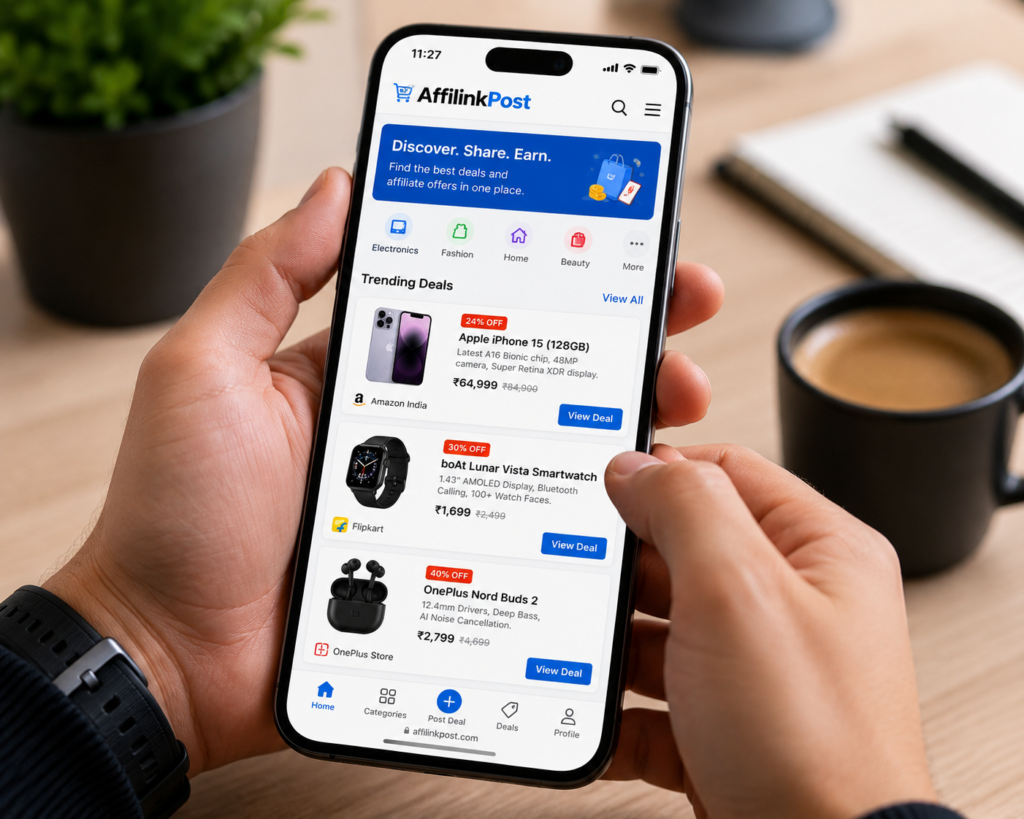
One of the most effective and modern ways to get your links seen is by using specialized platforms designed specifically for deal hunters and affiliate marketers. AffilinkPost.com has rapidly become a go-to destination for discovering trending products and exclusive offers.
By posting your carefully curated deals on a dedicated platform like AffilinkPost, you instantly tap into an audience that is actively looking for recommendations. It removes the friction of trying to build an audience from scratch on a new blog.
- Pro Tip: Write a highly descriptive, mobile-friendly summary of the product’s benefits when you submit your link to AffilinkPost to maximize your click-through rates.
2. Specialized Niche Forums
Every industry has a dedicated forum. If you are in web development, it might be Stack Overflow or specialized coding subreddits. If you are in lifestyle, it might be a specific beauty forum. Becoming a helpful, authoritative voice in these spaces allows you to naturally recommend products.
Social Media Powerhouses for Free Traffic
Social media remains a goldmine, but the tactics have evolved. You cannot just spam links in comments anymore.
3. Pinterest: The Visual Search Engine
Pinterest is not just a social network; it is a search engine. Users go to Pinterest to plan purchases. By creating visually appealing pins (ideally vertical, mobile-first designs) and linking them directly to your affiliate offers or review pages, you can generate traffic for months or even years from a single post in Pinterest.
4. YouTube Descriptions and Pinned Comments
Video content builds immense trust. You don’t even need to show your face; screen recordings, faceless tutorials, or AI-generated product reviews can work wonders. Place your affiliate links in the top line of the description and in a pinned comment for maximum visibility.
5. TikTok and Instagram (Link in Bio)
While you can’t place clickable links in organic posts on these platforms, you can utilize “Link in Bio” tools. Create short, engaging, native-feeling videos reviewing a product, and direct the audience to your centralized bio link.
Content Publishing and Micro-Blogging
If you don’t have the technical resources to set up a massive custom PHP or WordPress site right away, utilize existing high-authority domains.
6. Medium
Medium has an incredibly high domain authority. When you write a comprehensive, helpful article on Medium and optimize it for SEO, it has a high chance of ranking on Google quickly. Medium allows affiliate links, provided you disclose them clearly according to FTC guidelines.
7. Substack Newsletters
Start a free newsletter focusing on a specific niche. As you build an audience interested in your weekly insights, naturally weave in affiliate links to tools or products you genuinely recommend.
8. LinkedIn Articles
For B2B affiliate marketing (software, hosting, business tools), LinkedIn articles are unmatched. The organic reach among professionals looking for solutions is incredibly high.
Personal Experience: What Actually Works
In my experience navigating the evolving landscape of digital marketing and SEO, the “spray and pray” method is dead. You cannot just paste links on Twitter and hope for a commission.
The strategy that consistently yields the highest ROI is contextual placement. For example, when I advise marketers on building their portfolios, I don’t just tell them to use Hostinger. I explain why Hostinger is the best choice for a fast, mobile-first deployment, and then I provide the link.
Furthermore, utilizing hubs like AffilinkPost.com has proven to be a game-changer. It acts as a phenomenal supplementary traffic source. By syndicating your best deals onto a platform specifically built for affiliate discovery, you compound your visibility with zero extra financial cost.
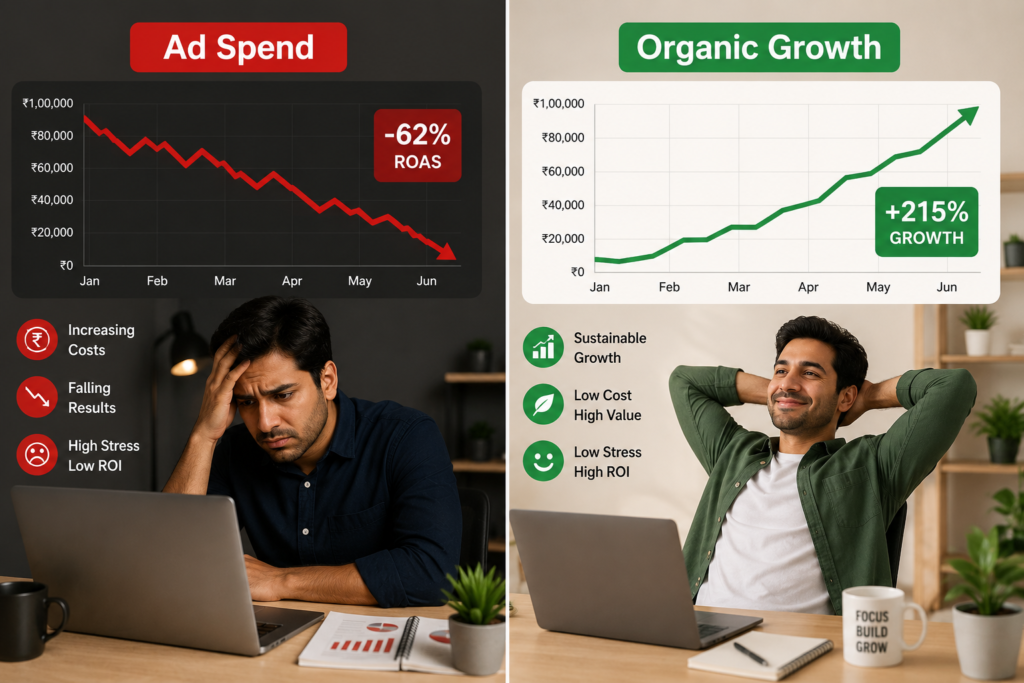
Comparison: Free Traffic vs. Paid Ads
| Feature | Free Organic Traffic | Paid Advertising (PPC/Ads) |
| Upfront Cost | $0 | High (Requires testing budget) |
| Speed of Results | Slow to Medium | Immediate |
| Longevity | Evergreen (Lasts for years) | Stops the moment you stop paying |
| Buyer Trust | High (Based on helpful content) | Lower (Viewed as a sponsored pitch) |
| Profit Margins | 100% | Varies (Revenue minus ad spend) |
Pros and Cons of Free Affiliate Traffic
Pros:
- Requires zero financial investment to start.
- Builds long-term brand authority and trust.
- Creates evergreen assets that generate passive income.
- Algorithms increasingly reward highly helpful, human-written content over ads.
Cons:
- Requires significant time and effort upfront.
- Results are not instantaneous; it takes time for SEO and algorithms to pick up content.
- Requires consistent content creation.
Who Should Focus on Free Organic Traffic?
- Beginner Marketers: If you are just starting and don’t have a $1,000+ ad budget to lose on testing, organic traffic is mandatory.
- Content Creators: Bloggers, YouTubers, and social media influencers who naturally produce content.
- Long-Term Brand Builders: Anyone looking to build a sustainable, trusted brand (like AffilinkPost) rather than just making a quick, anonymous sale.
Step-by-Step Buying Guide & Strategy
If you want to succeed, follow this exact framework:
- Select the Right Product: Only promote products that solve a real problem. Ensure the landing page you are sending traffic to is mobile-optimized and high-converting.
- Create a Value-First Asset: Whether it’s a Medium article, a YouTube video, or a detailed listing on AffilinkPost.com, create content that educates the user.
- Use Natural Anchor Text: Don’t use spammy phrases like “CLICK HERE TO BUY NOW.” Use natural integrations like, “When setting up my server, I opted to 👉 check the latest pricing on Hostinger.”
- Always Disclose: It is legally required to disclose that you may earn a commission. A simple, “This post contains affiliate links,” builds trust.
- Distribute and Syndicate: Once your core piece of content is live, break it down. Turn a blog post into a Twitter thread, a Pinterest pin, and a deal submission on your favorite affiliate platforms.
Common Mistakes to Avoid
- Spamming Facebook Groups: Dropping naked links in groups will get you banned immediately. Always answer a question thoroughly first, then offer the link as an optional resource.
- Ignoring Mobile Users: Over 60% of web traffic is mobile. If you are directing users from Instagram or Pinterest to a slow, clunky website, your conversions will tank.
- Over-Optimizing Content: Writing purely for search engine bots instead of humans will trigger Google’s Helpful Content penalties. Write naturally.
- Relying on a Single Source: Don’t put all your eggs in the YouTube basket. Diversify across blogs, Pinterest, and deal networks like AffilinkPost.
Frequently Asked Questions (FAQs)
How can I promote affiliate links for free?
You can promote them by creating helpful content on platforms that have built-in audiences. This includes writing detailed guides on Medium, creating Pins on Pinterest, answering niche questions on Quora, or submitting deals to platforms like AffilinkPost.com.
Can I put affiliate links on free blogs?
Yes, platforms like Medium, Substack, and WordPress.com allow affiliate links. However, you must ensure that your content is highly valuable and not just a thin page created solely to host the link, otherwise, the platform may flag it as spam.
Where is the best place to paste affiliate links?
The “best” place depends on user intent. For visual products, Pinterest is excellent. For software and tools, YouTube tutorials and detailed SEO-optimized blog posts yield the highest conversion rates. Deal discovery sites are best for discount-focused buyers.
Do I need a website for affiliate marketing?
While having your own custom-built site or blog is highly recommended for long-term control, it is not strictly necessary to start. You can leverage social media, email newsletters, and free publishing platforms to begin generating commissions.
Final Verdict
Learning how to post affiliate links for free is the ultimate foundational skill for any digital entrepreneur. While paid traffic can scale quickly, organic traffic builds empires.
By avoiding spammy tactics and focusing on EEAT principles—providing real experience, expertise, and trustworthy recommendations—you can capture high-intent buyers organically. Start by leveraging high-authority platforms like Medium and Pinterest, engage authentically in niche communities, and make sure you are actively syndicating your best offers to dedicated platforms like AffilinkPost.com to maximize your digital footprint.
Stop paying for clicks. Start building assets.